Wednesday, August 2, 2023

Rendezvous with Raj Goswami @ Countryside School, Surat


 “There is no such thing as a child who hates to read; there are only children who have not found the right book. —Frank Serafini”

We are living in quite an interesting time. It’s a time of transition, commotion, confusion and creativity. It’s a time of enormously evolving technology and a sea change in lifestyle. Gone are the days when elders would read for hours and complete a volume of say 900 pages in a few days. Fortunate are the ones who get to live around someone who can boast of having read say complete Dickens, complete Meghani, complete Shakespeare, or complete R.K. Narayana. The Digital Native generation would find it unbelievable as they live in seconds and minutes, not in days and months. 

However, this write up by no means, intends to go on the track of a self-complacent nostalgia trip of “Woh bhi kya din the” type. Kids today have a plethora of options for academics, aesthetics, sports, entertainment and so on. Phones, watches, switchboards and even cities (and sometimes people also) are getting SMARTER nowadays…!!! But what if they can get the best of both worlds? So, who can make it happen?

Amongst the other stakeholders; parents, family, teachers ought to play a major role in the said process. Amidst the hullabaloo of complaints that the kids don’t read and they are addicted to social media and smartphones, there are some torchbearers who still keep the I WILL DO MY BIT approach.

Countryside International School, Surat is, I think, one such institute. Last saturday I got an opportunity to attend an aesthetic event there. The school organized a talk on the magic of reading by my favorite thinker and writer these day Mr. Raj Goswami. Netizens wouldn’t need his introduction. I have seen his Morning Musings being shared on FB & Whatsapp status daily. Many of us prefer to kickstart their days by these enriching and thought-provoking posts. A renowned columnist and translator Raj sir presented to us a panoramic view of his journey of reading and writing.

His talk commenced with a journey down the memory lane. He belonged to a humble, rather marginalized social background. As a secluded, neglected child in society, he preferred to shrink his senses and get lost in his inner world. Books helped him in doing this. At the age of 10, he stepped into the wonderland of books. He also recalled the words from the memoirs of Sartre and I could find it identical as I was also one such odd man out in my school-life. 

However, this social non-existence was a blessing in disguise for Raj sir as he slowly turned into a voracious reader which led him to make a shining career as a writer. He explained that learning any language or reading books from various languages and regions not just enriches us but also makes us more humane, it sensitizes us and it expands the horizons of our thinking. It makes us humble by making us realize the limitations of our knowledge.

Reading and writing both are gymnastics for the brain. Just as body muscles need some sort of exercise everyday, so is the case with the neurons of the brain. Reading, if I can say so, prevents aging of the brain. On being asked about his FB series of Morning Musings, he said that it is a sort of riyaz/net practice/rehearsal for him. Just like meditation, practice in reading and writing helps you in organizing your thoughts. The speaker elucidated his point with an analogy of a traffic police officer on a hectic, crowded traffic signal. One’s role is to regulate and manage his thoughts just as a traffic police officer does but instead we get involved and swayed away in the torrential traffic of our random thoughts.

Social media and smart technology has made us more impatient. We the digital migrants have witnessed the time when a tiny file would take hours to get downloaded but SPEED is the key word in the 5G era.

He also shared his experience of translating Yual Noah Haraari and the challenges he faced during the process. In the Q & A session, he opined on the needless insistence for puritanism of language. One of the key reasons why English has become so globally accepted is that it is a highly lucid and accepting language. It has received words from around the globe and still hundreds of new words are added to the corpus of English language every year. Answering my request to suggest some must read titles, he shared a list of books really worth reading in Hindi. Even I got an opportunity to interact with the audience during and after the session. It was quite an interesting and interactive event.

What I liked the most about this school is their genuine,. Substantial and innovative efforts of orienting their students towards reading. Credit goes to the management, the principal Dr. Sanjay Mehta and his army of dynamic teachers. I was thrilled to know that as many as 17 students of the school got their books published and they are also available for sale on online platforms. Isn’t this amazing?

I must end it with a note of gratitude to the speaker Raj Goswami sir for his satiating talk and the school for organizing such an inspiring event. I recall the immortal words from Shakespere’s Hamlet:-

Hamlet is reading a book.

Polonius: What do you read my Lord?

Hamlet: Words, words. words.

Saturday, August 27, 2022

જોશી દાદા, મને હજી શબ્દો નથી આવડતા!


તા.23-08-2022 ને અ-મંગળવારે સાંજે હું મારા પરિવારજનો સાથે હોટેલમાં જમવા ગયો હતો ત્યાં એક વડીલ સજ્જન મળ્યા જેમની સાથે ઔપચારિક વાતમાં એમણે કહ્યું કે મારો દીકરો વિદ્યાનગરમાં ભણીને અત્યારે બોસ્ટનમાં સેટ થયો છે. આ નામ સાંભળીને મારી આંખોમાં ચમક આવી અને મેં કહ્યું કે વિદ્યાનગરની તો વાત જ ન થાય ભાઈ!

રાત્રે ઘરે આવીને આડો પડ્યો ત્યાં એક દોસ્તારનો વોટ્સેપ મેસેજ જોયો:-

“Dr Piyush S. Joshi has departed for the heavenly abode! May God almighty grace his divine soul with eternal peace!🙏🙏

Ohh… Shit…. બસ આટલું બોલી શક્યો અને જોશી દાદાનો ફોટો જોઇને આંખો ધોધમાર વરસવા લાગી. દર્શિતાના સાંત્વનથી થોડો સ્વસ્થ થાઉં એ પહેલા અન્ય એક દોસ્તનો કોલ આવ્યો અને અમે જોશી દાદાની સ્મૃતિવંદના કરી. કેટકેટલી યાદો ધસમસતી આવે છે, ક્યાંથી શરુઆત કરું?

2008માં ભાવનગરથી M.A. કર્યા પછી M.Phil માટે સરદાર પટેલ યુનિવર્સીટીમાં એડમીશન મળતાં વલ્લભવિદ્યાનગર શિફ્ટ થવાનું હતું ત્યારે મારા ખાસ દોસ્ત દેવર્ષિએ મને ફોનમાં કહ્યું કે હું તને જોશી સરનો નંબર મોકલું છું એ તને ત્યાં રૂમ મેળવવામાં મદદ કરશે. મને થયું કે હશે કોઈક સાહેબ કે અધિકારી પણ મને સ્વપ્નેય ખ્યાલ નહોતો કે હું જેનો આજીવન ઋણી રહેવાનો છું એવા એક નિર્દંભ વ્યક્તિ, એક genius નો નંબર હું સેવ કરી રહ્યો છું. (હવે તો દેવર્ષિ અને જોશી સર બંને સાથે બેસીને આ વાંચીને મારા પર સ્નેહ વરસાવતા હશે!) વિદ્યાનગરમાં અભ્યાસ શરુ થયા પછી અનેક વાર દોસ્તારોએ કહેલું કે જોશી સરનો લેકચર ભરવા આવ, ખુબ મજા આવશે ને ખુબ શીખવા મળશે પણ હું નહોતો ગયો, એમ વિચારીને કે હું તો university department માં અભ્યાસ કરું છું તો હું H.M. Patel Institute માં ક્લાસ ભરવા કેમ જઈ શકું? That was so stupid of me! કદાચ પહેલીવાર ઘરની બહાર રહેતો હતો એટલે આમ અચકાટ થતો હશે પણ મને શું ખબર કે હું કેટલો અલભ્ય અવસર ગુમાવી રહ્યો છું!

એક વાર દેવર્ષિ અને અન્ય મિત્રોના આગ્રહથી જોશી સર પાસે ગયો અને મારા ટોપિક Film Adaptation વિષે વાત કરી પછી તો જે જ્ઞાનપ્રવાહ ખળખળ વહેવાનો શરુ થયો અને હું એને મારી નોટ્સ માં ઝીલતો ગયો. એકાદ કલાકના અંતે આખા dissertation નું માળખું તૈયાર થઇ ગયું. હું તો દંગ જ રહી ગયો! એ મુલાકાતથી લઈને મારા રીસર્ચ પેપર્સ, phd thesis સુધી અને આ નોકરીમાં લાગ્યા પછી પણ છેલ્લે બે વર્ષ પહેલા એમને ઘરે મળ્યો ત્યાં સુધી એમણે એમનાં અગાધ અભ્યાસ અને વાચનથી મને હંમેશા પ્રભાવિત કર્યો છે. એક વાર મેં ભાવનગરથી એમને ફોન કર્યો કે એક કોન્ફરન્સમાં મારે પેપર રજુ કરવો છે અને એનો theme આ છે. એ 45 મિનીટ્સ ના કોલમાં એ બોલતા ગયા અને હું લખતો ગયો અને મને almost આખું પેપર તૈયાર થાય એટલું ભાથું મળ્યું. મેં દાદાને અહોભાવ વ્યક્ત કર્યો ત્યારે એમનો જવાબ:-

“આમાં શું છે કે મને કોઈ ઉશ્કેરે નહીં ત્યાં સુધી હું બોલું નહીં!”

English literature, criticism, advertising, ELT, media studies, research methodology, communication, Gujarati fiction…. ચાહે કોઈપણ ક્ષેત્ર હોય, એમનું અજોડ જ્ઞાન અને ભાષાવૈભવ કોઈપણ અભ્યાસુને મુગ્ધ કર્યા વગર રહે જ નહીં. Academics માં ક્યારેક એવો અટવાયો હોઉં કે કોઈનાથી એનું સમાધાન ન મળે ત્યારે મને આ ભિષ્મ પિતામહ જ યાદ આવે અને ત્યાંથી જે મિડાસ ટચ મળે એ અનન્ય હોય, પણ આજે મારે જે વાત ખાસ highlight કરવી છે એ છે એમનો શાંત, સાલસ સ્વભાવ અને વિદ્યાર્થીઓ પ્રત્યેનો અનન્ય પ્રેમભાવ. ગમે એવા મૂંઝાયેલા હોઈએ, એ ખભે હાથ મુકીને કહે:-

“આવ મહેતા, ચાલ ચા પીએ” ત્યારે મનને જે શાતા મળે એ તો જેમણે અનુભવી હોય એ જ સમજી શકે! હું તો ત્યારે ય એટલો નાદાન હતો કે મારી સાવ શીખાઉ કલમે લખાયેલી અને જેને કવિતા જ ન કહી શકાય એવી રચનાઓ પણ એમને વંચાવતો ત્યારે એમનાં ચહેરા પર અણગમાની એકપણ રેખા ન હોય, on the contrary, મને હસીને સૂચનો કરે કે જો આને આમ લખીએ ને તો સારું લાગે. તેં ...... કવિને વાંચ્યા છે? લે, આ બુક લઇ જા ને વાંચજે.” એક પેપરમાં મેં Foray from … લખ્યું હતું ત્યારે એમણે સમજાવ્યું કે foray into લખાય. ઉદાહરણો સાથે એટલે લખું છું કે આજે તેર વરસે પણ એ બધું મને તાદ્રશ થાય છે એ જ દર્શાવે છે કે મારા મનોજગત પર જોશી સર કેટલો મખમલી, શીતળ સ્પર્શ મૂકી ગયા છે!

વિદ્યાનગરમાં અમે સૌ મિત્રો મળતાં ત્યારે સૌથી વધુ mimicry પણ જોશી સરની જ કરતાં અને એ પણ પૂર્ણ આદરભાવ સાથે. જમણા હાથને કોણીથી વાળીને ડોક પર મુકીને બોલવાનો અંદાજ, સમજાવતા હોય ત્યારે ફેલાયેલા હાથ, અને ખાસ તો આપણે આપણું લખેલું કાંઇક વાંચતા હોઈએ ત્યારે આંખો બંધ કરીને ગાલ પર હાથ મુકીને ધ્યાનપૂર્વક સાંભળતા હોય એ દ્રશ્યો હજી નજરે તરે છે.

આજે મારું જે થોડુંઘણું લેખન કૌશલ્ય વિકસી શક્યું છે એમાં ખુબ મોટું પ્રદાન જોશી દાદાનું રહ્યું છે. એ કહેતા:- “આમાં શું છે, કે શબ્દો આવડવા જોઈએ, હેં!” એ એમ પણ કહેતા કે તમને કોઇપણ વાત કહેવી હોય તો બસ એક શબ્દ છે nice અથવા fine. આ ફિલ્મ કેવી લાગી? તો કે nice, એ માણસ તરીકે કેવા છે? Nice. આ વાનગી કેવી છે? Nice. તો ભાઈ, આમ તો કેમ ચાલશે? આ સાંભળ્યા પછી જ મેં vocabulary પર ખાસ ધ્યાન આપવાનું શરું કર્યું.

જયારે પણ મળીએ ત્યારે કોઈક સારું પુસ્તક વાંચતા હોય. એ social media માં ક્યાંય નહોતા, કદાચ હું ખોટો ન હોઉં તો smartphone પણ નહોતા રાખતાં તેમ છતાં દુનિયાના કોઈ web resource ન આપી શકે એવો ભંડાર એમની પાસે હતો. આ વાત ખાસ એટલે લખું છું કે મારા વિદ્યાર્થીઓ જે આ વાંચતા હોય તો એમને ખ્યાલ આવે કે વ્યક્તિ ઈન્ટરનેટ વગર પણ અભ્યાસુ બની શકે છે. ખાસ તો આ સંદીપ મહેશ્વરી generation ને મન પુસ્તક વાચનનું ખાસ મૂલ્ય રહ્યું હોય એવું લાગતું નથી ત્યારે આ વાત એક શિક્ષક તરીકે કહેવાની જરૂર લાગે છે.

વિદ્યાર્થીઓને પોતાના નામે libraryમાંથી અને અંગત સંગ્રહમાંથી અનેક પુસ્તકો આપતા અને ક્યારેય પરત મેળવવાનો ઈશારો પણ નહોતા કરતાં. આ તબક્કે એ યાદ આવે છે કે એકવાર અન્ય એક સાહેબે પોતાના ઘરે જે પુસ્તક હતું એના વિષે વાત થઇ તો મને ચોખ્ખું કહ્યું હતું:- “આ book મારી પાસે છે પણ હું તને આપીશ નહીં.” હશે ભાઈ...!! અને જોશી દાદાની books તો હજીય મારી personal library શોભાવે છે.

એક દોસ્તારે કાલે સરસ વાત કરી કે જોશી દાદા અજાતશત્રુ હતા, એમનાં વિષે ક્યારેય કોઈએ સહેજ પણ ઘસાતું કહ્યું હોય એવું મને યાદ નથી. એમનામાં કોઈ જાતિ, ધર્મ, લિંગ, પ્રદેશ કે અન્ય કોઈ પ્રકારના discrimination ક્યારેય શોધ્યા જડે એમ નહોતા. Simple Living and High Thinkingનું અણીશુદ્ધ ઉદાહરણ એટલે ડૉ. પીયુષ જોશી સર. International conference માં વક્તાઓ અને અભ્યાસુઓ સુટ-બુટમાં ફરતા હોય, સેલ્ફી લઈને પોસ્ટ કરતાં હોય ત્યારે આ માણસ સાદા શર્ટ-પેન્ટ, ચપ્પલમાં આવે પણ બોલવાનું શરુ કરે એટલે ભાષા-સાહિત્યના વિશ્વરૂપ દર્શનનો લ્હાવો મળે!

આટલું encyclopaedic knowledge હોવા છતાં એક છાંટોય અહંકાર નહીં. એમની વિનમ્રતા અને low profile personality જોઇને કોઈ અજાણ્યાને તો ખ્યાલ પણ ન આવે કે આ English Literature ની હરતીફરતી university છે. મારી કારકિર્દીમાં એમનાં જેવા જે કેટલાંક પ્રોફેસર્સ મળ્યાં એમને જોઇને જ હૃદયમાં એક સ્વપ્ન રોપાયું હતું કે હું MA (English) માં ભણાવું. જો કે, હાલ તો ડિપ્લોમા કક્ષાએ સાદો ભૂતકાળ ને સાદો વર્તમાનકાળ ભણાવું છું એ મારી નિયતિ છે પણ એ આખો અલગ વિષય છે.

આજકાલ એક બીમારી બહુ ફેલાઈ છે:- મોટીવેશનલ ટોક. મને ઘણી વાર વિદ્યાર્થીઓ પૂછે કે તમારી પાસે કોઈ મોટીવેશનની બુક છે? ત્યારે મને કહેવાનું મન થાય કે જરા આંખો ખોલીને આસપાસ જોવો તો ક્યાંક તમને એવી વ્યક્તિઓ મળશે જે પોતાના જીવન અને કર્મ દ્વારા શ્રેષ્ઠ મોટીવેશન આપતી હોય છે. Youtube માં YOU CAN DO IT ના બરાડા પાડ્યા વગર, views, likes, comments ના સરવાળા કર્યા વગર પણ પોતાના ક્ષેત્રમાં સર્વોત્તમ બની શકાય છે એ અત્યારની પેઢીને કોણ સમજાવશે?

અમારી જમાતમાં એવા શિક્ષકો પણ છે કે જેના કપાળ પર grade pay નું એક અદ્રશ્ય tattoo હોય અને એ smile પણ આપણા પર ઉપકાર કરતાં હોય એમ કરે, જમીનથી બે ફૂટ ઉપર ચાલતા હોય, સતત increment, LTC, DA ની જ ચર્ચામાં રત રહેતાં હોય.... એવા માહોલમાં જોશી સર જેવા શિક્ષકો વિષે વિચારીએ તો એમ થાય કે સુરજ કી ગરમી સે જલતે હુએ તન કો મિલ જાયે તરુવર કી છાયા...!!

જોશી દાદાને હું છેલ્લે બે વર્ષ પહેલા મળ્યો હતો ત્યારે ઘણું માર્ગદર્શન મળ્યું હતું. આજે સૌથી મોટો અફસોસ એ જ છે કે હું એકવાર એમને મળી લેવા માંગતો હતો એ ન થયું. જીવનકી આપાધાપી મેં કબ વક્ત મિલા... સાથે એમ પણ થયું કે આપણે જે આ પ્રકારના પોતપોતાના વડલાઓ હોય એમની શીતળ છાયા મળે એટલી માણી લેવી જોઈએ, પછી ક્યારેક આદિલ સાહેબ કહે છે એમ “એ હસતા ચહેરા, એ મીઠી નજર મળે ન મળે”. આનંદ બક્ષીના શબ્દો મનમાં પડઘાય છે:-

सुबहो आती है, रात जाती है

सुबहो आती है, रात जाती है यूँ ही

वक़्त चलता ही रहता है रुकता नहीं

एक पल में ये आगे निकल जाता है

आदमी ठीक से देख पाता नहीं

और परदे पे मंज़र बदल जाता है

एक बार चले जाते हैं जो दिन-रात, सुबहो-शाम

वो फिर नहीं आते...

આટલું લખ્યું તોય મારી લાગણી યોગ્ય રીતે અભિવ્યક્ત કરી શક્યો નથી એવું લાગ્યા કરે છે. જોશી દાદા, તમે સાચું જ કહેતા હતા કે “શબ્દો આવડવા જોઈએ...” આ જુઓ ને, મને તો હજીય શબ્દો આવડતા નથી! પ્લીઝ, પાછા આવો ને, ચા પીતા પીતા creative writing સમજાવવા માટે...!!!

જો કે, મને ખ્યાલ છે કે આ શક્ય નથી અને યોગ્ય પણ નથી. ક્યારેક સ્વાર્થને બાજુ પર મુકીને વિચારીએ તો એમ થાય કે આ દુઃખ અને દંભની દુનિયામાંથી જે જાય છે એ સુખી થઇ જાય છે.

તો બસ.... સરના સ્નેહાળ અને સુંદર આત્માને આખરી અલવિદા! આપ અમારી સ્મૃતિઓમાં સદૈવ જીવિત રહેશો. Rest in memories dear Sir!

Wednesday, December 22, 2021

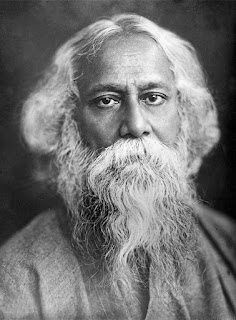
Where the Mind is Without Fear Rabindranath Tagore

 Q & A of Stories and Poems

 This blogpost is a part of academic activity meant for the students of Diploma Engineering Semseter 01 . This Q & A is prepared as per the curriculum of Communication Skills in English (CSE) recently implemented by the GTU (Gujarat Technological University). This series is prepared in the larger interest of the students and any misuse of it shall invite legal actions.

DISCLAIMER:- IMAGES, VIDEOS, LINKS AND OTHER WEB RESOURCES USED HERE ARE ONLY FOR ACADEMIC PURPOSE. NO COMMERCIAL BENEFIT IS INTENDED OUT OF IT.


Q.1 What is meant by “mind is without fear and head is held high”. Tick the correct answer. (i) to be fearless and self respecting (ii) to be proud of one’s high position . 48 (iii) to stand straight and be carefree.

Ans. To be fearless and self-respecting.

Q. 2. What does the poet mean by “where knowledge is free”?

Ans. By the phrase “Where knowledge is free”, the poet indicates everyone’s equal right to get education regardless of their financial situation. It also emphasises that knowledge is free from any sort of discrimination like caste, creed, gender, nationality and so on. In modern times, we may call it ‘global perspective’ towards education.


Q.3. The ‘domestic walls’ are usually associated with safety, comfort and love. What is the meaning of ‘narrow domestic walls’? Choose the correct answer. (i) small houses which make us feel cramped (ii) ideas which are petty and narrow-minded. iii) a house divided into rooms by walls.

Ans. Ideas which are petty and narrow-minded.

Q.4. What according to the poet do people tirelessly strive towards?

According to the poet, in such a heavenly society, people tirelessly strive to achieve perfection in whatever they do. Excellence in one’s work is an essential virtue in any field. The poet believes that people should always keep trying to get better and better in their work.

Q.5. How does the poet describe the old habit?

Old habit are mostly outdated, irrelevant and ‘dead’. They have no relevance to the constantly changing and fast life of modern times. That’s why the poet compares old habit with ‘dreary desert sand’ where the flow of reason (rational thinking) gets lost. Mostly people follow social traditions, customs and rituals without applying any logic or asking any questions about their significance. One should not let such unnecessary practices to overpower critical viewpoint.


Q.6 How does the poet describe ‘heaven of freedom’?

‘Heaven of freedom’ is described as the place where people neither mistreat nor discriminate others on the grounds of religious or political differences. In such a society, people tend to expand the horizons of their thinking and embrace all human beings. There is no place for bias, prejudice or hatred in such a life. One can be fearless in speaking truth, one can live with dignity and one can be free in his/her choices. Such a society is imagined as ‘heaven of freedom’.

Q.7. Who does the poet address as ‘thee’ and my father?

The poet addresses God as ‘thee’ and ‘my father’. God as the ultimate creator of the universe is addressed throughout this poem. The poet requests the Almighty to be a guide for our country into the journey of democracy and peaceful life.

Q.8 What kind of freedom does the poet desire for his country?

The poet expects something much beyond just the political freedom. When there is violence, crime, injustice and hatred prevalent everywhere, such a society cannot be considered free. We as people should strive to create a society when an individual can live with self-respect, happiness and sense of fulfilment. Such a society should be free from vices like corruption.


Q.9 Write a short note on the central idea of the poem.

This classic and amazing piece of poetry by genius poet Rabindranath Tagore is a manifesto of democratic values for an ideal society, It also goes in line with what the leaders and revolutionaries expected the nation to be at the time of Indian independence. Even in current times, it has full relevance. A society can be considered heaven only when there is freedom in the real sense of the term. Freedom from the outsiders or colonizers is not enough. As a society, we should also aim to be free from narrow-mindedness, superstitions, fanaticism and partiality. There is no place for religious or political rigidity and intolerance in such a society. We the people should always strive to achieve the mark of excellence in whatever work we do, only then the nation can make progress. In today’s technology-driven life, one must think beyond one’s cast, religion, state etc. A frog in a well type of thinking has no place in a global society. Broad-mindedness and acceptance are keys to creating a healthy society.

Stopping by Woods on a Snowy Evening Robert Frost

 Q & A of Stories and Poems

 This blogpost is a part of academic activity meant for the students of Diploma Engineering Semseter 01 . This Q & A is prepared as per the curriculum of Communication Skills in English (CSE) recently implemented by the GTU (Gujarat Technological University). This series is prepared in the larger interest of the students and any misuse of it shall invite legal actions.

DISCLAIMER:- IMAGES, VIDEOS, LINKS AND OTHER WEB RESOURCES USED HERE ARE ONLY FOR ACADEMIC PURPOSE. NO COMMERCIAL BENEFIT IS INTENDED OUT OF IT.


Q.1 Where was the speaker going? What stopped him on the way?

The speaker stopped to see the woods being covered with snow. Beautiful atmosphere of the forest tempted him to stay there for a while and enjoy the scenario.


Q.2 What according to the speaker will surprise the horse?

Stopping at an unknown place where there is no farmhouse of human habitation would surprise the horse. Horse gives a signal by shaking the bells whether there is some confusion in the mind of the rider.

Q.3 What does the speaker wish to convey through the phrase “fill up with the snow”?

Through the phrase ‘fill up with the snow”, the speaker wishes to draw the image of woods being covered by the heavy snowfall. It appeared as if the entire area was just filled with snow.

Q.4 What does the poet say about the owner of the woods?

The poet says that the owner of the woods would have no idea that he has stopped there for some time and that he must be living far away. He might also not know that his woods are covered fully with snow.

Q.5 What are the sights and sounds that the poet experiences in the woods?

The poet experiences the sweep of easy wind and snowy flake. Apart form this, the speaker hears the sound of the harness bell which his horse shakes.

Q.6 What promises do you think the poet has to keep?

Everyone has to shoulder worldly responsibilities of one’s self, family and so on. There are several promises that we make either to ourself or the others be they about career, family life, finance, wealth, health and so on. The speaker is tempted to take a halt at the woods as they are so enchanting but he is reminded of the things he needs to do in order to fulfil his promises.


Q.7 What message do the last paragraph convey?

There can be multiple interpretations of such a profound poem but one meaning can be derived and that is about the importance of focus, self-discipline and awareness of the roles one has to play. In life, we often come across several temptations along our path but we must not forget the ultimate destination i.e., the long-term goals of our life.

Q. 8 What is the role played by the horse in this poem?

The horse plays a sort of reminder for the rider about his duties and responsibilities. There is a point when the speaker is tempted by the enchanting view and wishes to stay there for a while but the horse reminds him of the journey ahead by shaking the bell.

Q. 9 Write a short note on: (1) Description of nature (2) Central idea of the poem

01. Description of Nature

This poem presents some fascinating verbal pictures about the beauty of Nature. The very first line has a mention of the word ‘Woods’. By doing this, the poet prepares the readers about what follows in the poem. Lush-green jungles with diverse range of trees, birds and animals comes to our mind when we read the word WOODS.

Further, the first stanza ends with the phrase “To watch his woods fill up with snow”. It is a picturesque description of how a jungle looks during the snowy times. It seems that the entire jungle is covered under the white blanket of snow.

Phrases like ‘frozen lake’ and ‘darkest evening of the year’ creates a sense of awe and mystery in the reader’s mind. There is a beauty of nature but there is also a darker side of nature which is present in a subtle way in this poem.

The sound of sweeping wind also adds to the beautiful description of nature. However, in the last stanza the poet most brilliantly narrates Nature as ‘LOVELY, DARK AND DEEP’.


02. Central Idea of the Poem

This deceptively simple poem tells a lot about human life. It is a metaphor for the journey of human life if we look at it from that perspective. The rider is the individual and the journey is the span of 100 years that a human may live. Woods, we can say, symbolises this world. On our journey, we may come across multiple types of situation and it’s all about how we respond to each one of them. Just like a jungle, human life is also a collage of multiple colours of emotions and experiences. Some might be pleasant and some might be disturbing but one has to accept life in totality just as woods have been doing since ages. The poem also talks about the luring temptations that wait on our path to success. Initially, the rider is tempted to be there but the horse reminds him of the journey ahead. Even in life, we are reminded of our commitment towards our goal either by our loved one or by our own soul. Woods of enchanting view can be attractive for the rider and he can stay there to relax but that would make a delay in his journey. One must never lose focus form one’s ultimate goals of life.


Tuesday, December 21, 2021

After Twenty Years – O. Henry

Q & A of Stories and Poems

 This blogpost is a part of academic activity meant for the students of Diploma Engineering Semseter 01 . This Q & A is prepared as per the curriculum of Communication Skills in English (CSE) recently implemented by the GTU (Gujarat Technological University). This series is prepared in the larger interest of the students and any misuse of it shall invite legal actions.

DISCLAIMER:- IMAGES, VIDEOS, LINKS AND OTHER WEB RESOURCES USED HERE ARE ONLY FOR ACADEMIC PURPOSE. NO COMMERCIAL BENEFIT IS INTENDED OUT OF IT.


01. How did the policeman move up the avenue?

The policeman on the beat moved up the avenue impressively.

02. How was the weather that night?

The weather was having the effect of light rain and the cold wind was blowing during that night. Due to such atmosphere, very few people were seen on the road.


03. What did the stranger say to the policeman?

The stranger said to the policeman:- “"It's all right, officer, I'm just waiting for a friend. It's an appointment made twenty years ago. Sounds a little funny to you, doesn't it? Well, I'll explain if you'd like to make certain it's all straight."

04. What was there in place of the store at that spot twenty years ago?

In place of the store, there was a restaurant named 'Big Joe' Brady's restaurant twenty years ago.

05. Who was the stranger’s friend?

Jimmy Wells was the stranger’s friend. They both grew up together like brothers in New York.

06. Where did they take the last dinner?

They took the last dinner at the Big Joe’ Brady’s Restaurant.

07. What kind of man was his friend Jimmy?

According to the man, his friend Jimmy Wells was one of the finest fellows in the world.

08. What did Bob tell the man in the overcoat?

Apart from greeting him and saying that the west gave him everything, the man in the overcoat told Bob:- “You've changed lots, Jimmy. I never thought you were so tall by two or three inches."

09. Was he really his friend Jimmy Wells?

No, actually he was a police officer and a colleague of his friend Jimmy Wells. Jimmy couldn’t arrest Bob due to his friendship, he sent another man to do the job.


10. Why was Bob under arrest?

Bob was under arrest for his criminal track record in the city. He was a wanted person in Chicago due to the crimes committed by him.

11. Whose note was handed over to Bob in the end?

The note handed over to Bob in the end was from Jimmy Wells (for whom Bob was waiting to meet after twenty years).